
Lamination is a thin plastic film bonded over the printed sheet. It protects the print from scuffs, moisture and handling – and the choice of matte or gloss changes the entire character of the box.
What lamination actually does
Beneath the aesthetics, lamination is protective. It resists scratching during packing and transport, keeps corners crisp and prevents color rub-off. On packaging that will be handled repeatedly – retail, subscription, gifting – lamination is effectively standard.
Gloss lamination
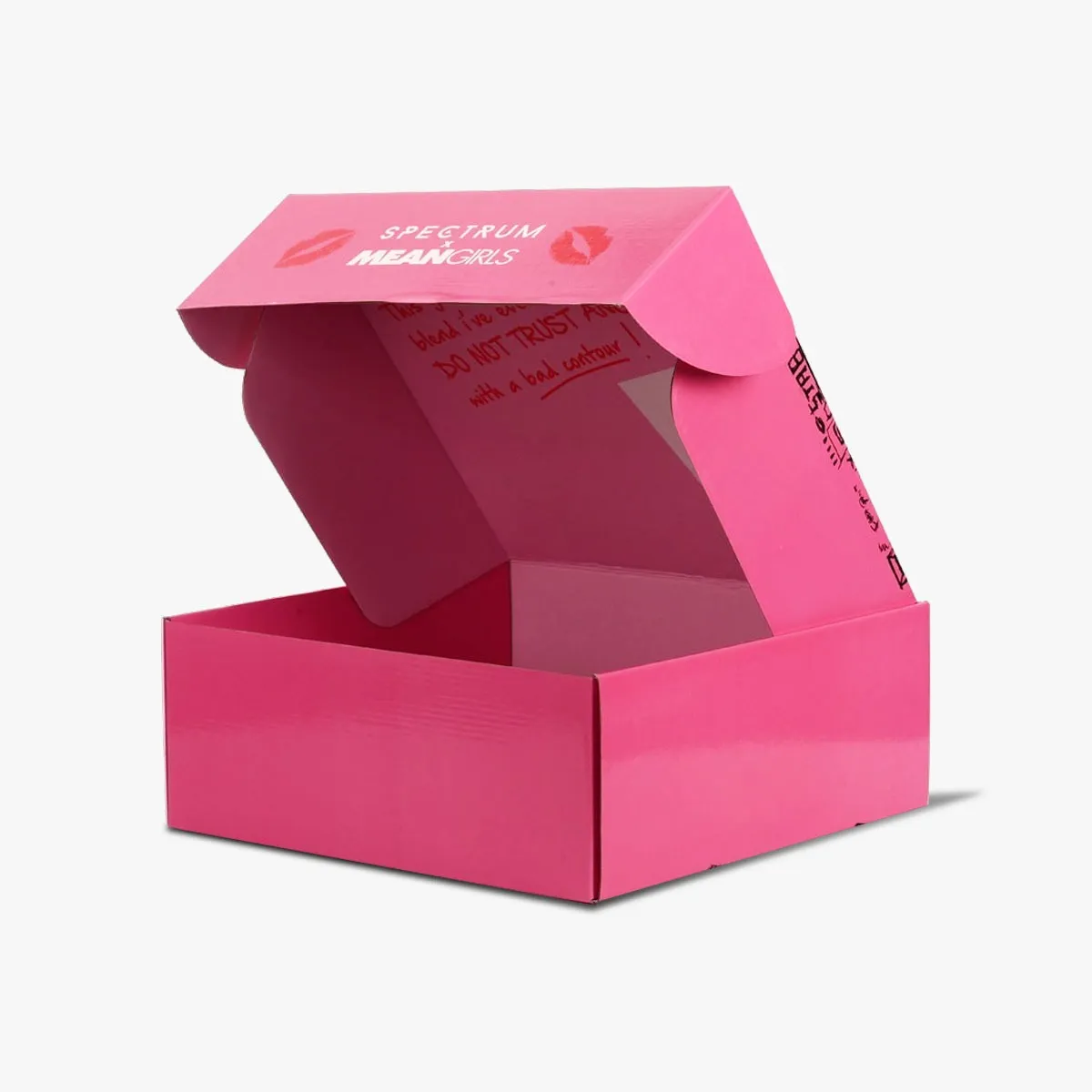
Gloss lamination is shiny, saturated and high-energy. It deepens photographic imagery and makes colors look wet. It is the natural choice for colorful consumer brands, food packaging and anything that needs shelf impact. The trade-off: fingerprints show more easily, and reflections can fight your photography.
Matte lamination
Matte lamination is soft, diffused and quiet. It reads as premium and modern, hides fingerprints and photographs evenly under studio light. Most high-end cosmetics and tech packaging today uses matte with a single glossy accent – spot UV – for contrast. The trade-off: deep blacks can look slightly muted, and heavy dark coverage can show scuffing on corners.
The hybrid: matte + spot UV
Matte lamination with spot UV is the most requested combination at YMBOX. The logo or a pattern gets a raised glossy layer over the matte field, producing a tactile contrast that reads as expensive – at a fraction of the cost of foil tooling.
Alternatives worth knowing
- Soft-touch lamination – a velvet-feel matte film, popular for premium cosmetics.
- Varnish – a thinner, cheaper coating with less protection than film lamination.
Not sure which finish suits your brand? Request physical samples – here is how – and feel the difference before you commit.