
When planning your product packaging, one question always comes first: How much do custom boxes cost?
The short answer is that there is no single fixed price tag for a custom paper packaging box. Custom box manufacturing isn’t an off-the-shelf product—it is an engineered solution. The total cost of custom box production is determined by five primary variables: material selection, box dimensions, order volume, specialized finishing, and physical tooling.
Understanding how these cost drivers interact allows brand managers, purchasing officers, and e-commerce business owners to optimize packaging budgets without sacrificing structural integrity or visual appeal.
The 5 Main Drivers of Custom Box Cost
1. Material Selection
The paperboard substrate you choose forms the baseline unit price:
-
Folding Carton Board (SBB/FBB): Highly cost-effective, ideal for retail food packaging, cosmetics, and lightweight consumer goods.
-
Corrugated Board: Excellent strength-to-cost ratio, perfect for shipping mailers and subscription boxes.
-
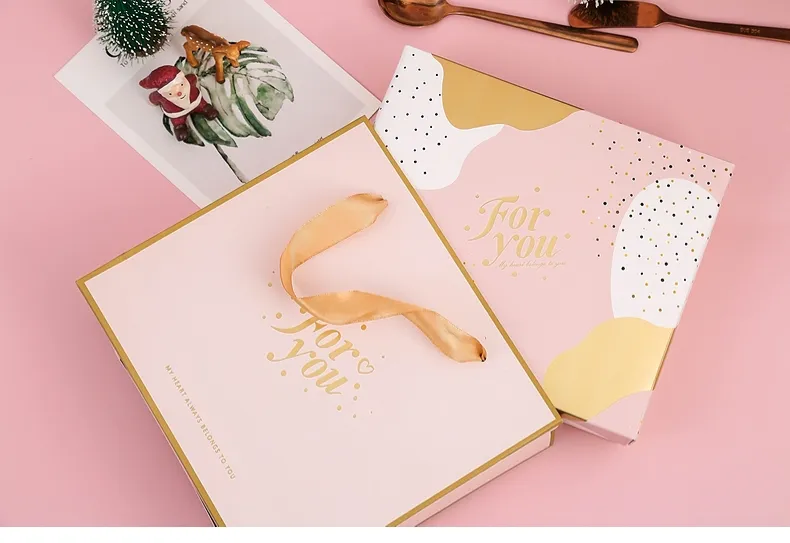
Rigid Greyboard & Specialty Papers: Premium construction used for luxury products, electronics, and high-end gift sets. Greyboard requires more manual or semi-automated labor, making it the most expensive material tier.
2. Box Dimensions & Surface Area
Larger box dimensions require bigger sheets of paperboard, consuming more raw material per unit. Furthermore, oversized blanks require larger printing presses and specialized die-cutting equipment, which increases machine press time.
3. Order Quantity (The Ultimate Cost Lever)
Volume is the single most powerful lever in packaging economics. Custom box manufacturing involves significant initial setup labor, ink calibration, and machine make-ready time. Ordering 5,000 units instead of 500 spreads those fixed setup overheads across ten times the volume, drastically reducing the unit cost.
4. Decorative Surface Finishing
Specialized finishes elevate your brand presence on the shelf, but each technique adds pass through specialized machinery:
-
Foil Stamping & Embossing/Debossing: Requires custom metal stamps and thermal application.
-
Spot UV & Soft-Touch Lamination: Adds tactile luxury while enhancing moisture resistance.
-
Varnish & Aqueous Coatings: Standard protective options that add minimal cost.
5. Tooling & Upfront Setup
Tooling consists of custom cutting dies (to fold and trim your specific shape) and offset printing plates. These are one-time investment charges typically quoted separately from unit production costs. Once manufactured, these tools can be reused for future reorders, lowering subsequent unit pricing.
Fixed Costs vs. Variable Costs in Custom Packaging
To make smart procurement decisions, it helps to understand how custom printing costs are structured behind the scenes:
| Cost Type | Expense Category | Impact on Unit Price |
| Fixed Costs | Cutting dies, printing plates, machine setup time, prepress proofing | Decreases per unit as order volume increases |
| Variable Costs | Paperboard sheets, inks, adhesives, direct production labor, shipping | Remains stable per unit regardless of order volume |
Because fixed setup fees remain constant, expanding your production volume from 500 to 5,000 pieces can often cut your cost-per-box by 40% to 60%.
3 Common Areas Where Brands Overspend
-
Specifying Overly Complex Finishes: Adding multiple decorative passes (e.g., combining foil, embossing, and spot UV on a single box) when retail environment lighting or e-commerce unboxing doesn’t demand it.
-
Over-Engineering Board Caliper: Using unnecessarily thick paperboard for lightweight items that do not require high structural load support.
-
Choosing Rigid Structures Over Folding Cartons: Selecting rigid box construction for products where a high-caliper folding carton with structural inserts could achieve an equally premium presentation at a fraction of the cost.
How to Get an Accurate Custom Box Quote
A reliable, actionable packaging quote requires complete project clarity. Standard price lists cannot account for structural engineering nuances. To get a precise quote from YMBOX, prepare the following information:
-
Box Style: (e.g., Tuck-top, Rigid Lid-and-Base, Corrugated Mailer, Custom Food Packaging Box)
-
Internal Dimensions: (Length × Width × Height in mm or inches)
-
Substrate & Material Grade: (e.g., 350 GSM White Cardboard, E-Flute Corrugated, 1200 GSM Greyboard)
-
Estimated Quantities: (Include multiple tiers, e.g., 1,000 / 3,000 / 5,000 units)
-
Finishing Requirements: (e.g., Matte Lamination + Gold Foil Logo)
-
Artwork Status: (Ready for press, dieline needed, or concept phase)
Partner with YMBOX for Optimized Custom Packaging
At YMBOX, we don’t just supply custom paper packaging boxes—we help brands engineer cost-efficient packaging structures tailored to their exact retail and shipping environments.
Whether you need cost-optimized folding cartons, sturdy corrugated mailers, or premium gift boxes, our engineering team provides transparent, itemized project breakdowns without hidden fees.